Most engineers pick a pricing model once, stick with it forever, and leave money on the table for years.
The model you choose matters more than the number you type in. Wrong model on a large project and you either eat scope creep or scare away a client who wanted certainty.
Here is a clear-eyed breakdown of all three.
What Each Model Actually Is
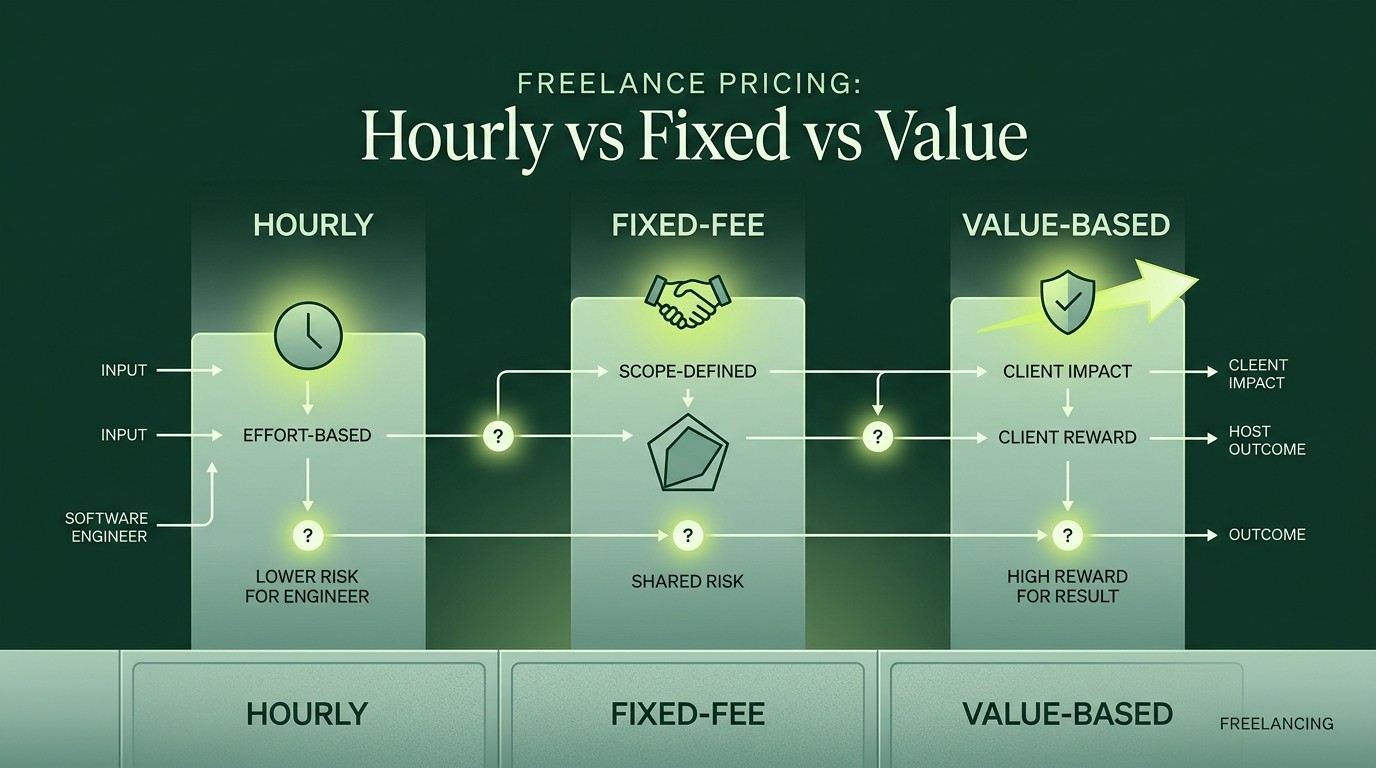
Hourly - you bill for time spent. The client absorbs scope risk. You absorb the risk of working slow or hitting a blocker.
Fixed price - you quote a flat number for a defined scope. You absorb scope risk. The client gets budget certainty.
Value-based - you price on the outcome your work delivers, not the hours it takes. A 10-hour integration that saves a client $40k/month is not a $1,500 job. Both of you know that.
The Decision Table
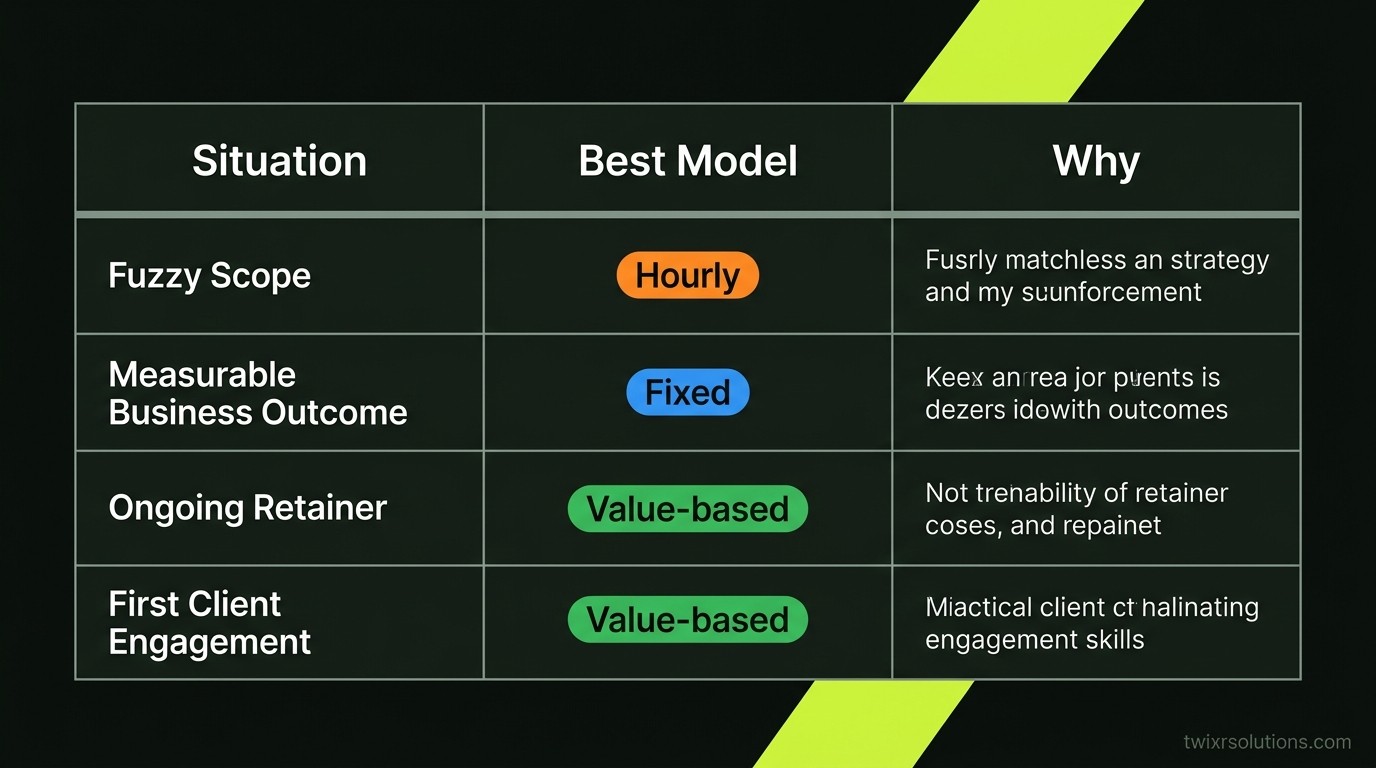
| Situation | Best Model | Why |
|---|---|---|
| Scope is well-defined, requirements signed off | Fixed | Protects both sides. Client has certainty. You have a number. |
| Scope is fuzzy, client is still figuring things out | Hourly | Charging fixed on undefined scope is how you burn out. |
| Ongoing retainer - maintenance, features, support | Hourly or monthly retainer | Predictable rhythm. Bill in blocks (e.g. 20 hrs/month). |
| Client outcome is measurable (revenue, churn, ops cost) | Value-based | Your ceiling is tied to their gain, not your clock. |
| First engagement with a new client | Fixed (small scoped project) | Low friction. Proves delivery. Opens the door to bigger work. |
| Research spike, audit, or technical discovery | Hourly (capped) | You cannot quote a fixed price for unknown territory. Cap it so the client has comfort. |
| Product-critical integration (Stripe, Twilio, auth system) | Value-based or fixed + change-order clause | These carry real business risk. Price accordingly. |
| Client has a tight budget, is cost-sensitive | Fixed with hard scope | They want predictability. Give it to them and protect it with clear exclusions. |
Where Engineers Go Wrong
1. Hourly on everything, forever.
Hourly feels safe. It is not. On a well-scoped 40-hour project your effective rate is capped. A faster engineer earns less. That is broken math.
2. Fixed price without a scope document.
"Build me an e-commerce site" is not scope. It is a trap. Fixed works only when both sides agree in writing what done looks like. No document, no fixed price.
3. Never attempting value-based pricing.
Most engineers avoid it because they do not know how to frame the conversation. The framing is simple: ask what the deliverable is worth to their business, then price somewhere between your cost and that number. A $500/month churn-reduction feature is not a $800 fixed project.
4. Mixing models mid-project.
Starting hourly then asking to switch to fixed mid-engagement creates friction. Pick at the start. If scope shifts materially, write a new agreement.
How to Frame Value-Based Pricing Without Feeling Awkward
Ask one question before quoting: "What happens to your business when this is shipped?"
If the answer has a number in it - faster operations, reduced headcount, more revenue, fewer support tickets - you have something to price against.
You do not need to charge 50% of their gain. Even 5-10% of measurable value, at scale, is well above hourly rates for the same work.
A Quick Pricing Audit
Before your next proposal, run this:
- Is the scope written down and agreed? If not, do not quote fixed.
- Does this project have a measurable business outcome? If yes, consider value-based.
- Is this client new? Start small and fixed to reduce their risk.
- Will scope definitely grow? Build in a change-order clause or go hourly with a cap.
- Is this ongoing work? Price it as a monthly block, not per-task.
Writing a strong proposal is a separate skill. If you want to improve the opening line that gets your proposal read at all, The Proposal Opening Line That Wins (And Why Yours Probably Isn't It) is worth reading before you send your next one.
Platform-Specific Notes (Upwork)
Upwork defaults to hourly because it protects clients via the Work Diary. That default costs senior engineers a lot of money on projects where fixed or value-based would have been more appropriate.
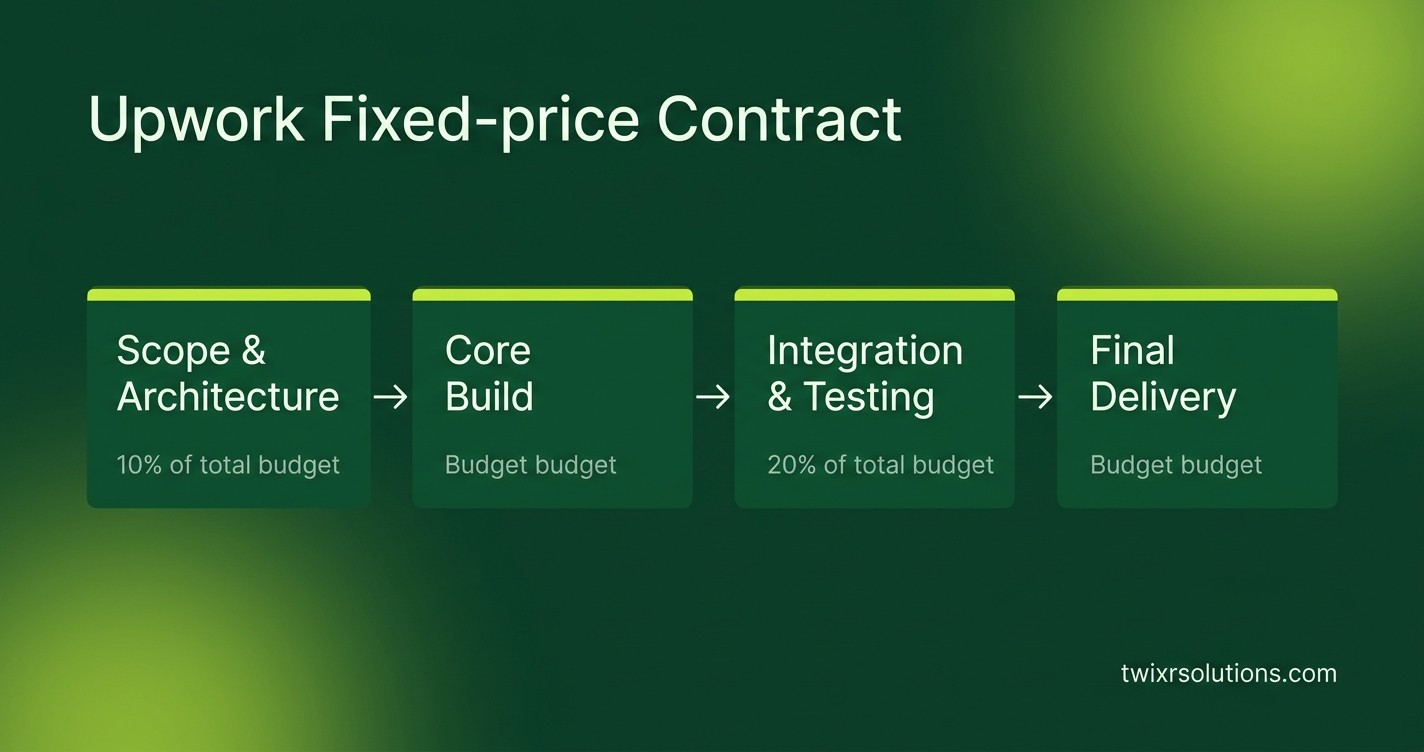
Fixed-price contracts on Upwork work well for defined deliverables. Use milestones - do not release everything at the end. Split into 3 to 5 milestones tied to concrete outputs.
For very large projects, some clients are more comfortable on hourly because it feels lower-risk to them. You can meet them there and still protect yourself by setting a weekly hour cap.
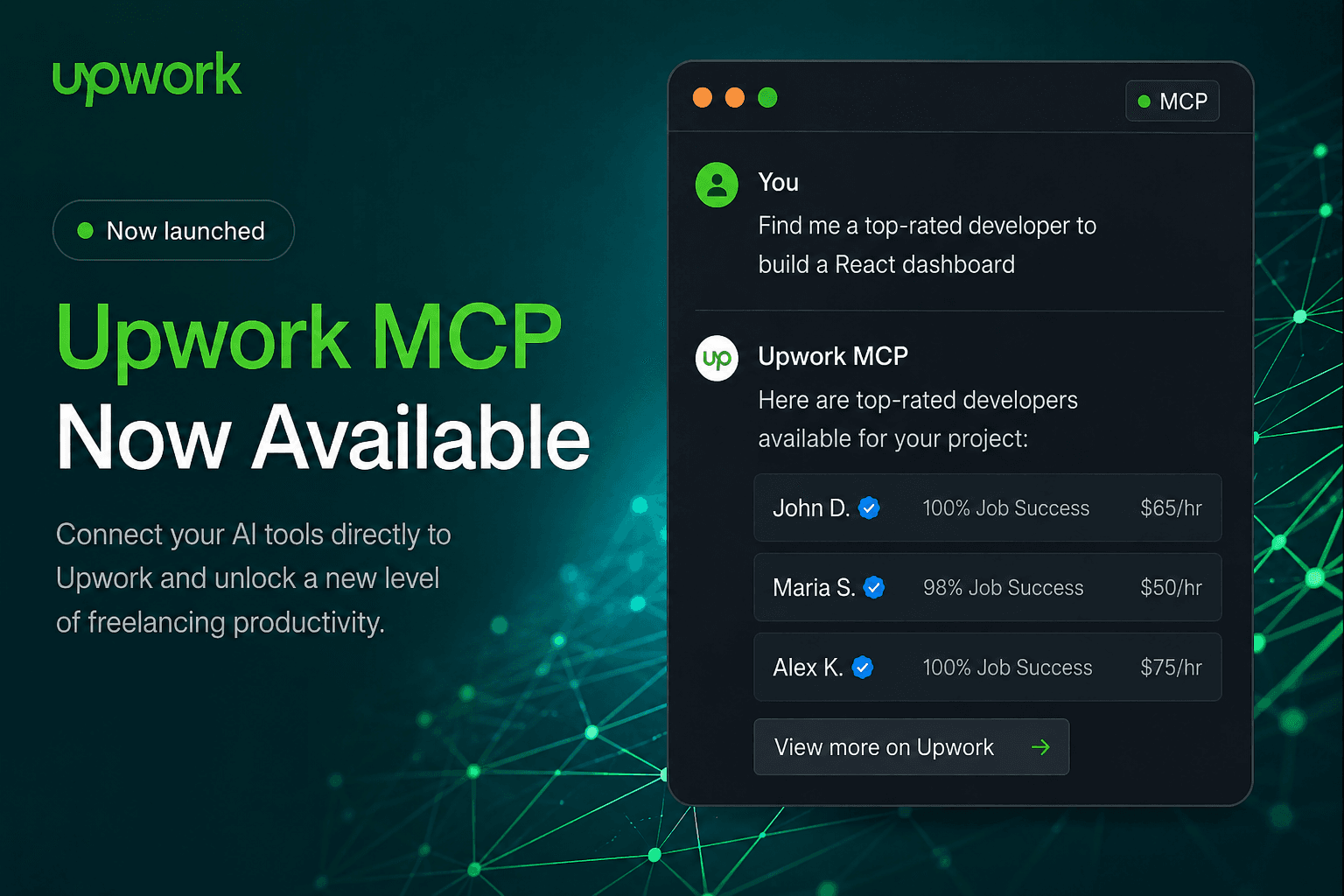
If you use Upwork's built-in AI tooling to shortlist or respond to jobs faster, there are newer workflow options worth knowing - Upwork MCP Server: The AI Agent Now Built Into Your Freelance Account covers what is actually available now.
The Rule Underneath All of This
Price the outcome. Not your time.
Time is a ceiling. Outcomes are not.
The moment a client understands they are buying a result - not renting your hours - the pricing conversation changes completely. You stop justifying your rate and start discussing ROI.
That shift is worth more than any rate increase you will ever negotiate.
Frequently asked questions
When scope is not defined in writing. If the client cannot tell you exactly what done looks like, a fixed price means you absorb every requirement they think of later. Go hourly with a cap instead, then re-quote fixed once discovery is done.
Frame it around their outcome, not your process. Ask what the deliverable is worth to their business. Even pricing at 5-10% of a measurable gain is usually well above your hourly equivalent. Start with one project where the outcome is obvious - a checkout flow fix, an automation that replaces manual work - and practice the conversation there.
No. The right model depends on the project type, scope clarity, and client sophistication. New clients get a small fixed project to reduce their risk. Fuzzy-scope projects go hourly with a cap. Measurable-outcome projects are candidates for value-based. Mix models across your book of work - just never mix them mid-project without a new written agreement.
Hourly gives you Upwork's Work Diary protection, which matters for clients you do not know yet. But fixed-price contracts with proper milestones are often better for well-scoped projects because they remove the clock and let you price the output. Use milestones, define each one clearly, and do not release the final milestone until the client confirms acceptance.
Enjoyed this article?
Get notified when I publish new posts on SaaS, Laravel, and remote engineering.